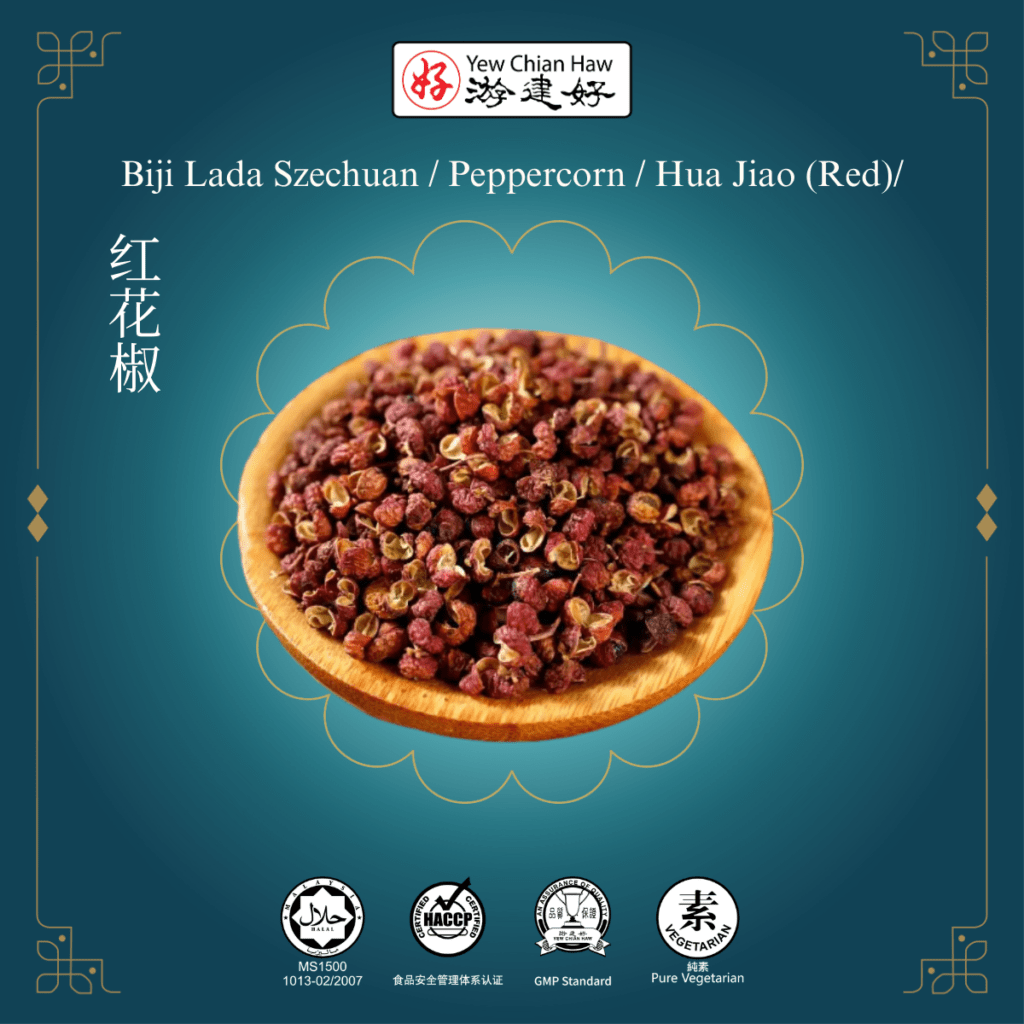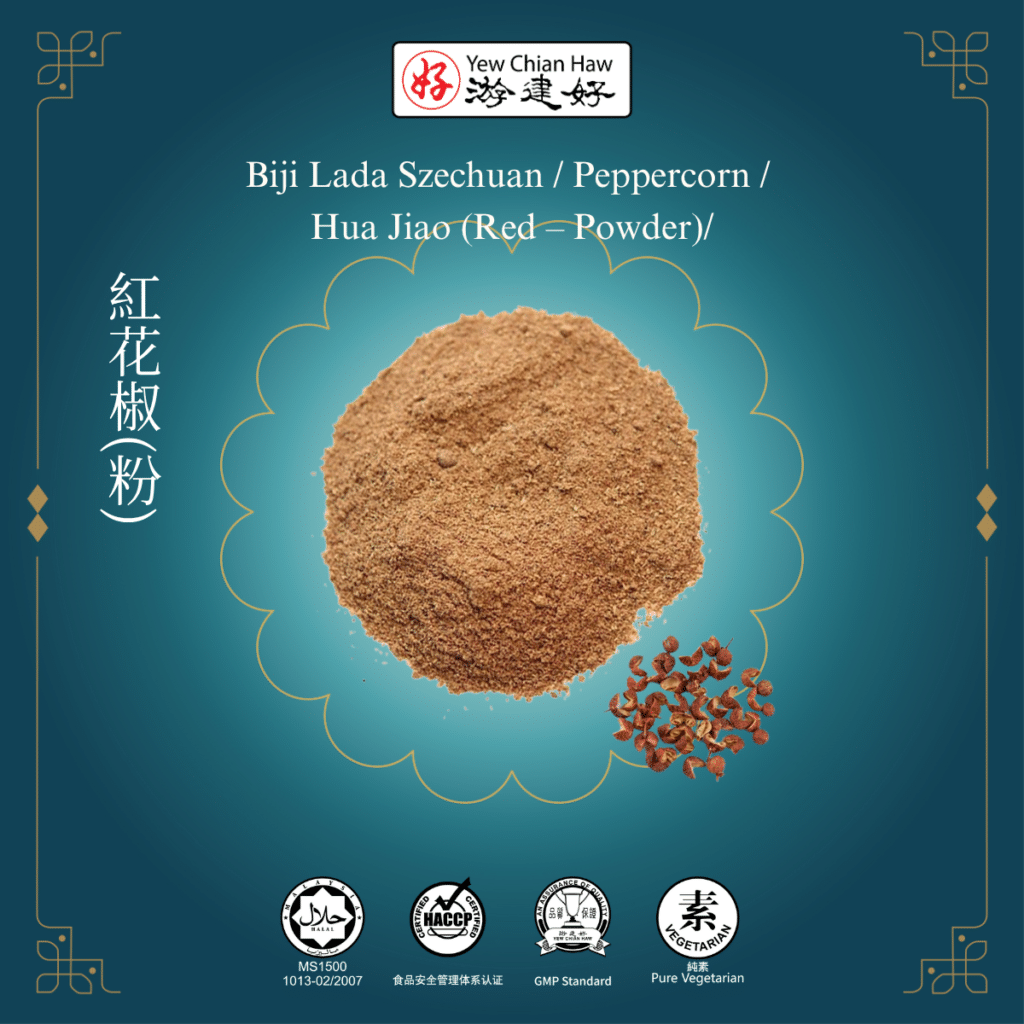
花椒為花椒樹的成熟果實,經採摘、乾燥等適當處理後使用,是傳統飲食及草本文化中常見的香辛材料。
認識一味藥材,了解一段草本文化
Discover an Herb, Explore a Story of Herbal Culture
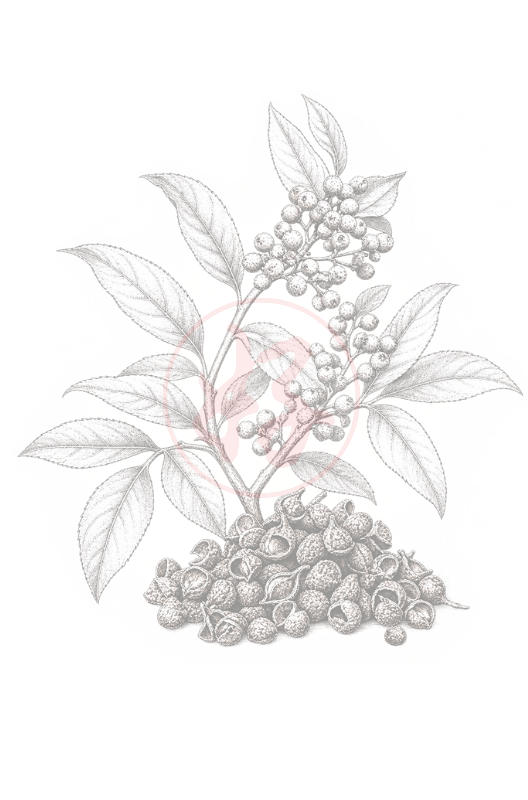
花椒|一味帶著麻香的溫暖草本
Hua Jiao | A Warming Herb with a Distinctive Aroma
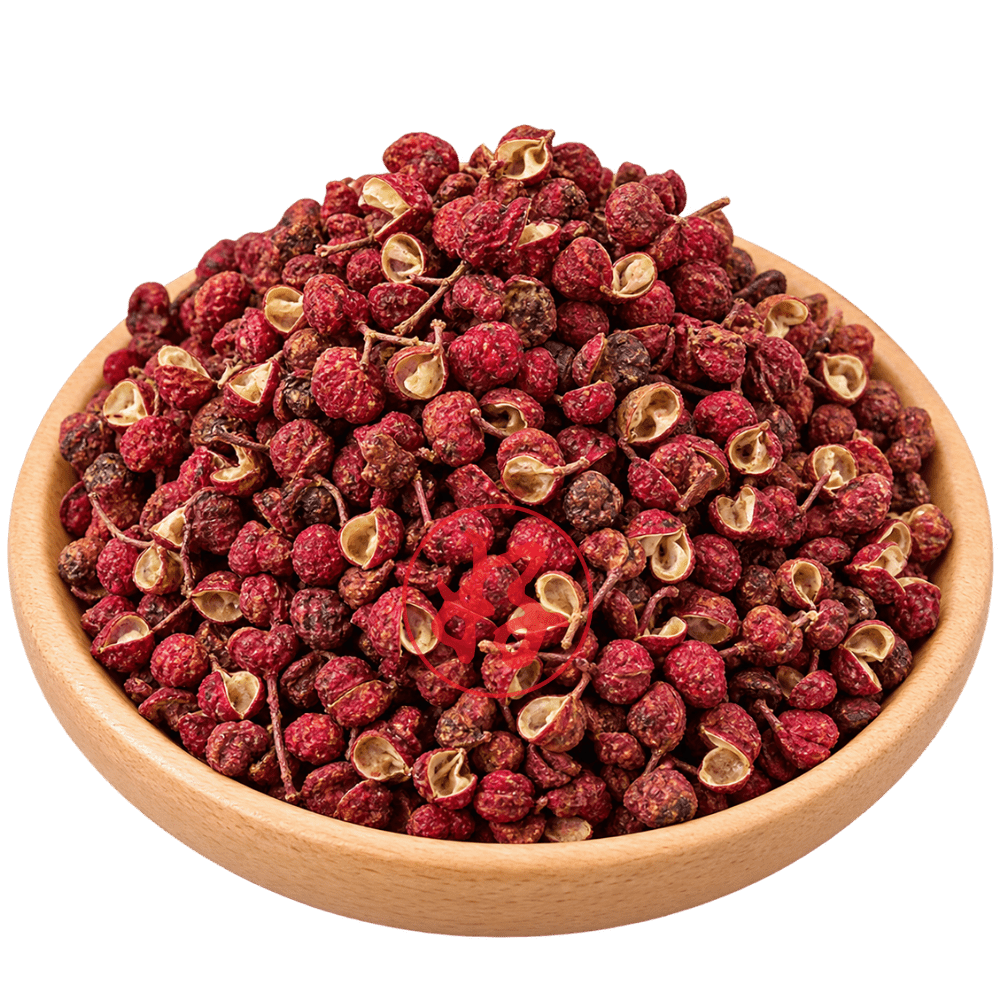
提到花椒,很多人第一個想到的,便是它獨特的香氣與微微的麻感。花椒果實細小,成熟後呈紅棕色至深紅色,乾燥後散發濃郁而鮮明的香氣。
與一般香料不同,花椒除了香氣之外,還帶有獨特的麻感,因此在傳統飲食中一直有著很鮮明的地位。
在傳統本草文化中,花椒常用於溫中散寒、除濕等方向,也常被加入湯品及料理中,為食物增添溫暖而濃郁的風味。
從一顆小小的果實,到餐桌上熟悉的香辛味道,花椒一直是傳統飲食與草本文化中具有特色的一味材料。
When people think of Hua Jiao, its distinctive fragrance and characteristic tingling sensation often come to mind. The fruits are small and develop a reddish-brown to deep red colour when mature. Once dried, they release a strong and distinctive aroma.
Unlike ordinary spices, Hua Jiao is known not only for its fragrance but also for its unique tingling sensation, giving it a special place in traditional cuisine.
In traditional herbal practice, Hua Jiao is commonly associated with warming the middle and dispelling cold and dampness. It is also widely used in soups and cooking to add a warm, aromatic flavour.
From a small dried fruit to a familiar spice on the dining table, Hua Jiao remains a distinctive part of traditional culinary and herbal culture.
本草特性
Herbal Properties
溫性藥材
Warm-Natured Herb
傳統中醫理論認為,花椒屬溫性藥材。
According to traditional Chinese medicine theory, Hua Jiao is considered warm in nature.
溫暖脾胃
Warming Digestive Comfort
傳統上用於溫暖脾胃,
適合寒涼相關的調理方向。
Traditionally used to provide warmth and support digestive comfort, particularly for cold-related discomfort.
散寒
Warming & Dispersing Cold
傳統上用於寒氣相關的不適調理。
Traditionally used in herbal preparations associated with cold-related discomfort.
祛濕
Managing Dampness
傳統上用於濕氣相關的調理方向。
Traditionally used in herbal preparations associated with dampness.

從草本植物,到一味藥材
From Plant To Herb
each herb goes through a series of steps — from harvesting and processing to inspection and selection.
從藥材到日常
From Herb To Daily Life
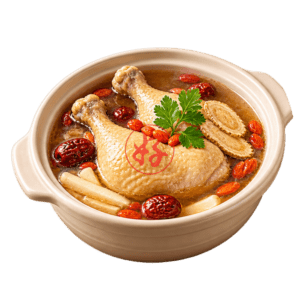
日常湯品
Herbal Soup
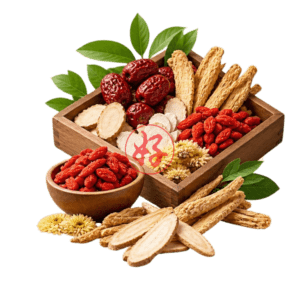
草本配方
Herbal Blends
保存方法 Storage
置於陰涼乾燥處,密封保存,避免陽光直射,以保持藥材乾燥與品質。
Store in a cool, dry place in an airtight container, away from direct sunlight, to help maintain freshness and quality.
免責聲明 DISCLAIMER
本內容僅供一般資訊及參考用途,不能取代專業人士的意見、診斷或建議。使用或食用任何中藥材前,請先諮詢合資格的專業人士,並根據個人情況作適當選擇。
This content is provided for general informational and reference purposes only and is not intended to replace professional advice, diagnosis, or recommendations. Please consult a qualified professional before using or consuming any Chinese herbal ingredients, and make appropriate choices according to your individual circumstances.